
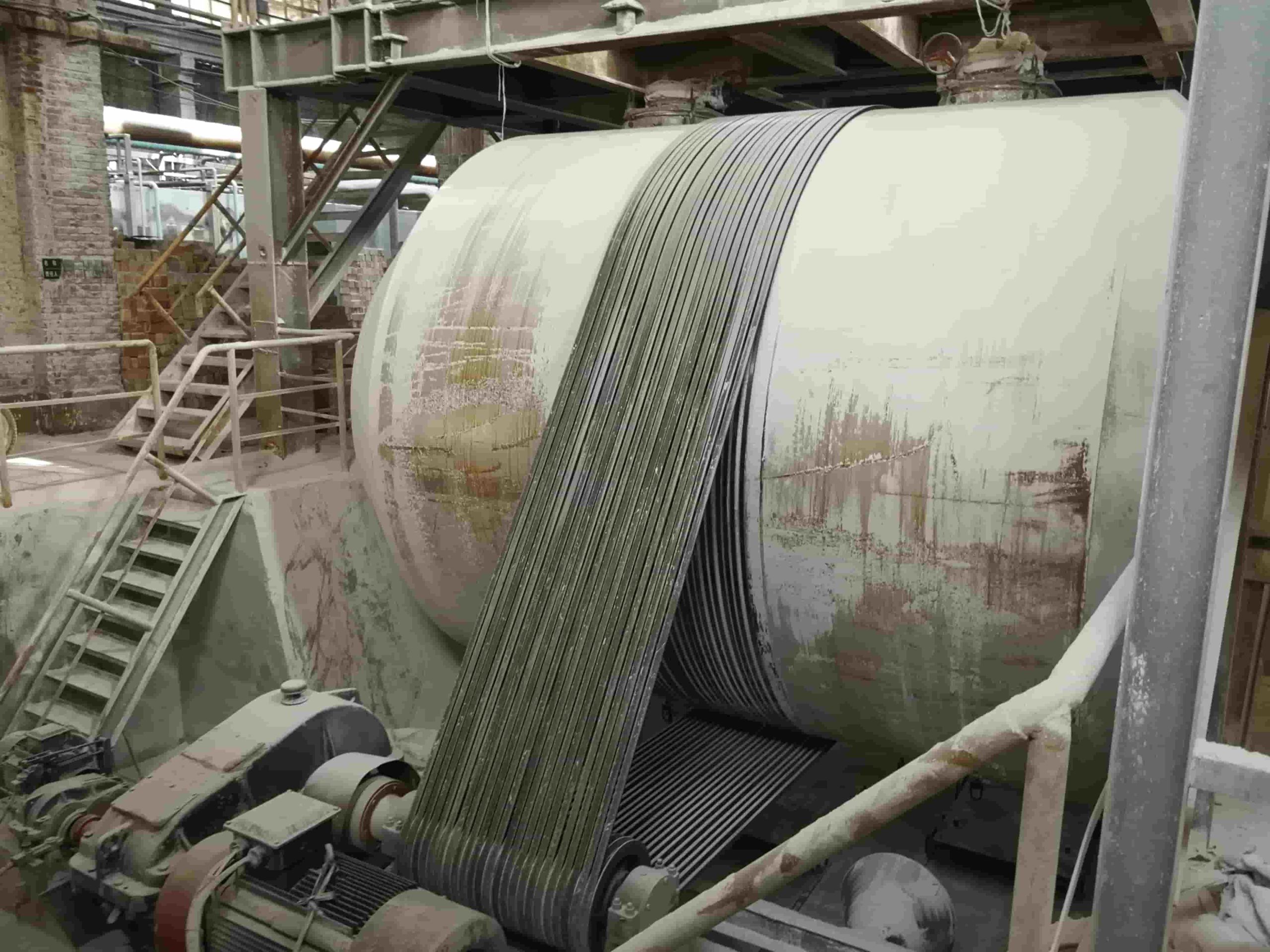
MQS Ceramic Ball Mill for Non-Metallic Minerals
Ten sizes, from MQS600×700 to MQS2400×4500, with ceramic lining and ceramic grinding media. We supply them for grinding materials where iron pick-up would spoil the product, such as ceramic and glass raw materials and light-coloured minerals.
- Output range0.05–18 t/h
- Motors2.2–132 kW
- Feed sizeup to 25 mm
- Product size0.074–0.4 mm
Figures are indicative. Final parameters are confirmed in the quotation.
Where a ceramic ball mill fits in your plant
It is a fine-grinding stage for materials that must stay free of iron.
1. Preparing the feed
Crushers bring the material under 25 mm before the mill. Magnetic separation can remove stray iron beforehand.
2. Grinding
Ceramic balls tumble inside a ceramic-lined drum and grind the material without adding iron.
3. After the mill
A sieve or classifier controls the fineness. Wet grinding gives a slurry; dry grinding gives a powder.
Wet or dry grinding, and batch or continuous operation, are both possible. We confirm the set-up for your process in the quotation.
Pick a model by the output you need
Output depends on the material, the fineness you want and how the mill is run (batch or continuous). Use this as a starting point.
| Target output | Suggested model | Output range |
|---|---|---|
| up to about 0.6 t/h | MQS600×700 | 0.05–0.6 t/h |
| about 0.6–1 t/h | MQS800×600 | 0.1–1.0 t/h |
| about 1–1.8 t/h | MQS900×1200 | 0.2–1.8 t/h |
| about 1.8–3.2 t/h | MQS1200×2400 | 0.6–3.2 t/h |
| about 3.2–5 t/h | MQS1500×3000 | 1.2–5 t/h |
| about 5–8 t/h | MQS1830×3000 | 2.2–8 t/h |
| about 8–10 t/h | MQS1830×4500 | 3–10 t/h |
| about 10–12 t/h | MQS2100×3600 | 4–12 t/h |
| about 12–15 t/h | MQS2100×4500 | 5–15 t/h |
| about 15–18 t/h | MQS2400×4500 | 6–18 t/h |
Specifications
All ten models of the MQS series.
| Model | Cylinder Ø × length (mm) | Feed size (mm) | Output (t/h) | Motor (kW) | Approx. weight* |
|---|---|---|---|---|---|
| MQS600×700 | 600 × 700 | ≤ 25 | 0.05–0.6 | 2.2 | ~1.5 t |
| MQS800×600 | 800 × 600 | ≤ 25 | 0.1–1.0 | 4 | ~2.1 t |
| MQS900×1200 | 900 × 1200 | ≤ 25 | 0.2–1.8 | 7.5 | ~3.9 t |
| MQS1200×2400 | 1200 × 2400 | ≤ 25 | 0.6–3.2 | 22 | ~7.2 t |
| MQS1500×3000 | 1500 × 3000 | ≤ 25 | 1.2–5 | 37 | ~12.4 t |
| MQS1830×3000 | 1830 × 3000 | ≤ 25 | 2.2–8 | 55 | ~18.6 t |
| MQS1830×4500 | 1830 × 4500 | ≤ 25 | 3–10 | 75 | ~22.3 t |
| MQS2100×3600 | 2100 × 3600 | ≤ 25 | 4–12 | 90 | ~27.5 t |
| MQS2100×4500 | 2100 × 4500 | ≤ 25 | 5–15 | 110 | ~32.8 t |
| MQS2400×4500 | 2400 × 4500 | ≤ 25 | 6–18 | 132 | ~42.1 t |
*Approximate weight; final weight and dimensions are confirmed in the quotation. Output varies between batch and continuous operation, and with the fineness required. Figures are indicative; final parameters are confirmed in the quotation.
What decides your real output
The same mill can give very different numbers on two sites. These are the factors we check with you first.
Fineness required
The finer the product, the longer the material stays in the mill and the lower the output. Product sizes run from 0.074 to 0.4 mm.
Hardness of the material
Harder material grinds more slowly and wears the ceramic lining and balls faster.
Wet or dry grinding
Wet grinding with water usually gives a higher throughput and avoids dust. Dry grinding suits materials that must stay dry.
Batch or continuous
A batch mill grinds one load at a time and suits small runs and frequent changes of material. A continuous mill suits steady, larger production.
Is a ceramic ball mill the right choice?
A short honest check before you ask for a price.
Good fit
- Ceramic body and glaze raw materials such as feldspar, quartz and clay.
- Glass raw materials and light-coloured minerals that must stay free of iron.
- Corrosive or slightly acidic slurries where a steel lining would be attacked.
- Smaller runs that need a clean change between materials.
Look at other machines if
- You grind hard metallic ore in large amounts: a steel-lined overflow ball mill is stronger and cheaper per ton.
- You need a very high throughput: ceramic mills are made for smaller outputs.
- Feed is coarser than 25 mm: crush it first.
- Impact loads are expected: ceramic lining and balls are brittle.
What operating one is like
What your maintenance team will deal with.
- Lining and balls: the ceramic lining and the balls are the main consumables. They are heavy and brittle, so handle them with care.
- Loading: feed material and balls in the right proportions. Overloading with balls slows the grind.
- Cleaning between materials: because there is no iron, a thorough wash lets you change from one material to another.
- Foundation: the mill is heavy. The larger sizes need a solid base and lifting equipment on site.
- Lubrication and drive: bearings and the gearbox need regular checks.
- Dust and noise: dry grinding needs dust collection, and the mill is noisy. Plan a guarded area.
What we need to quote
Send what you know on WhatsApp or by email. Rough numbers are enough to start.
- Material you grind and its hardness
- Feed size
- Product fineness you need
- Output required (t/h or batch size)
- Wet or dry grinding
- Batch or continuous operation
- Power supply (voltage and frequency)
- Site altitude and destination country
Buying through CNEIG INDUSTRIAL
We are a trading and project-coordination company, not the factory.
- We agree the model and parameters with the manufacturer and write them into your quotation.
- Lead time depends on whether the machine is in stock, has to be produced, or is customised. It is stated in the contract.
- Payment, warranty and delivery terms are set in the contract.
- Read how we handle pre-shipment inspection.
Common questions
Why use a ceramic mill instead of a steel mill?
A steel mill adds a small amount of iron to the product. For ceramics, glass and light-coloured minerals, that iron shows up as colour and spots. A ceramic lining and ceramic balls avoid this.
How fine can it grind?
The product size ranges from about 0.074 to 0.4 mm, depending on the material, the run time and the media. We confirm the fineness you need before quoting.
Batch or continuous?
A batch mill is simpler and suits small runs with frequent changes. A continuous mill suits steady production. Tell us your volume and how often you change material and we will advise.
What wears out first?
The ceramic balls, then the lining. How fast depends on the hardness of your material. We can quote spare balls and lining with the machine.
What about lead time, payment and warranty?
They are agreed in the contract before the order is confirmed. Lead time depends on stock, production or customisation.
Machines used with it
Tell us about your project
Send the material, the feed size and the fineness and output you want. We will come back with a suitable model and a quotation.
Request a Quotation
Tell us the material and the output you want. We reply within 1–2 business days.